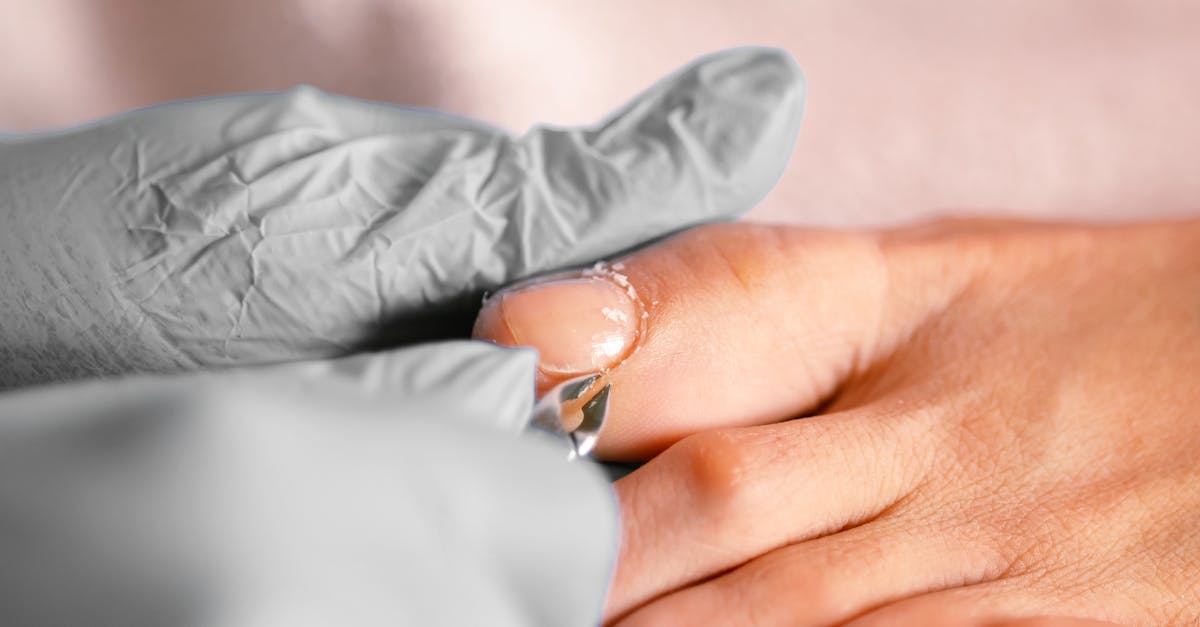
The Impact of Cleanliness on Nail Health
Table Of Contents
Maintaining Nail Hygiene at Home
A regular routine for nail care is essential for preventing issues like fungal infections and breakage. Keep nails clean and trimmed to reduce the risk of dirt and bacteria accumulating underneath. It is important to use a gentle nail brush to remove any debris. Moisturising the cuticles helps maintain their health, so applying a nourishing oil or cream after washing hands can be beneficial. Always dry hands thoroughly, especially between the fingers, to prevent moisture retention.
Choosing the right tools for nail maintenance is crucial. Invest in high-quality nail clippers and files that will not damage the nails. Sterilising tools before use helps reduce the risk of infections. Pay attention to the materials used in nail polish and removers; opting for non-toxic products is advisable for overall nail health. Establishing a consistent routine with these practices will support the long-term integrity of your nails.
Everyday Practices for Healthy Nails
Healthy nails start with consistent practices in daily life. Keeping the nails clean and trimmed is essential. Regular washing with soap and water prevents the buildup of dirt and bacteria. Using a soft brush for under the nails ensures thorough cleaning. Moisturising the hands and nails after washing helps to prevent dryness and brittleness. It is beneficial to avoid biting nails or picking at surrounding skin, as these behaviours can damage the nails and lead to infections.
Applying a protective coat, such as a clear nail polish, can also contribute to nail strength. Choosing nail products that are free from harsh chemicals supports overall nail health. Wearing gloves during household chores protects nails from exposure to harsh cleaning agents and moisture. Additionally, keeping nails at a manageable length reduces the risk of injury and breakage. Simple lifestyle adjustments can significantly enhance the condition of your nails over time.
Professional Nail Care Services
Seeking professional nail care services offers numerous benefits that go beyond mere aesthetics. Skilled technicians are trained to assess nail health, identify potential issues, and provide tailored treatments. These services often include thorough cleaning, shaping, and moisturising, which can help prevent common problems such as ingrown nails or fungal infections. The expertise of professionals ensures that nails are treated with care, promoting overall wellness.
Moreover, salon environments are equipped with specialised tools and products that are not usually available at home. This allows for enhanced treatments that can hydrate and repair damaged nails. Regular visits to a nail salon can also help in maintaining the nails’ strength and appearance, giving them a polished look that can boost confidence. Establishing a routine with professional services helps in monitoring nail health, identifying signs of distress early on, and ensuring the nails look their best at all times.
What to Expect from a Manicure or Pedicure
A visit to a professional nail salon can provide a rejuvenating experience, enhancing both beauty and wellbeing. During a manicure, the technician typically begins by soaking your hands to soften the cuticles. After this, they will carefully push back or trim the cuticles, followed by shaping and buffing the nails. The process usually concludes with the application of nail polish, allowing you to express personal style while also protecting your nails from damage.
Pedicures follow a similar process, but with a focus on foot care. You can expect a soak in warm, soapy water to cleanse your feet and soften rough skin. Exfoliation often follows to remove dead skin cells, particularly from the heels. A good pedicure includes nail clipping, shaping, and polishing, along with a relaxing foot massage that promotes circulation and relieves tension. This thorough approach not only beautifies your feet but also plays a significant role in maintaining overall nail health.
The Connection Between Nutrition and Nail Health
Nails often reflect overall health, and a balanced diet plays a significant role in their strength and appearance. Consuming a variety of vitamins and minerals helps support nail growth and resilience. Biotin, in particular, has gained attention for its potential to strengthen nails and reduce brittleness. Similarly, proteins are vital as they form the structure of nails. Foods rich in zinc, iron, and omega-3 fatty acids contribute to healthy nail development, promoting shine and preventing breakage.
Hydration is also essential for maintaining nail health. Drinking adequate water keeps nails and surrounding skin hydrated, reducing the likelihood of splitting and peeling. Incorporating a wide range of fruits, vegetables, and whole grains ensures that the body receives necessary nutrients. Supplements may be beneficial for those with dietary restrictions, but it is always advisable to consult with a healthcare professional before making significant changes to one's eating habits.
Essential Nutrients for Strong Nails
Nails require a variety of nutrients to maintain their strength and resilience. Biotin, also known as vitamin B7, plays a crucial role in the production of keratin, which is a primary component of nails. A deficiency in biotin may lead to brittle and weak nails. Additionally, protein intake is vital since nails are made of keratin, a type of protein. Ensuring adequate consumption of lean meats, fish, eggs, and legumes can significantly improve nail health.
Other essential nutrients include zinc and iron, which contribute to proper nail growth and repair. Zinc helps in the formation of new cells and can prevent nails from becoming dry and flaky. Iron deficiency, on the other hand, is often linked to brittle nails and a condition known as koilonychia, where nails become spoon-shaped. Incorporating a balanced diet rich in these nutrients can support stronger nails and overall wellbeing.
FAQS
Why is maintaining nail hygiene important?
Maintaining nail hygiene is crucial as it helps prevent infections, promotes healthy nail growth, and reduces the risk of nail-related issues, such as brittleness and discolouration.
What are some everyday practices for healthy nails?
Everyday practices for healthy nails include keeping nails clean and dry, avoiding biting or picking at them, using moisturiser on both hands and nails, and trimming nails regularly to prevent breakage.
What can I expect from a manicure or pedicure?
During a manicure or pedicure, you can expect to have your nails shaped, cuticles cared for, and hands or feet exfoliated. Additionally, a massage and polish application are often included to enhance nail health and appearance.
How does nutrition affect nail health?
Nutrition plays a significant role in nail health as a balanced diet rich in vitamins and minerals provides the essential nutrients needed for strong and resilient nails. Lack of proper nutrition can lead to weakness and brittleness.
What essential nutrients should I focus on for strong nails?
Essential nutrients for strong nails include biotin, zinc, protein, and vitamins A, C, and E. Incorporating foods rich in these nutrients, such as nuts, seeds, fruits, and lean meats, can help improve nail strength and health.
Related Links
Common Hygiene Mistakes to Avoid in Nail SalonsEvaluating Hygiene Certifications in Nail Salons
Hygiene Protocols During Nail Treatments at Salons
Client Expectations for Hygiene in Nail Salons
How Hygiene Affects Customer Satisfaction in Nail Salons
The Role of Sterilisation in Nail Salon Hygiene
Understanding Cleanliness Standards for Nail Salon Services
Best Practices for Maintaining a Clean Nail Salon Environment
Importance of Hygiene Practices in Nail Salons