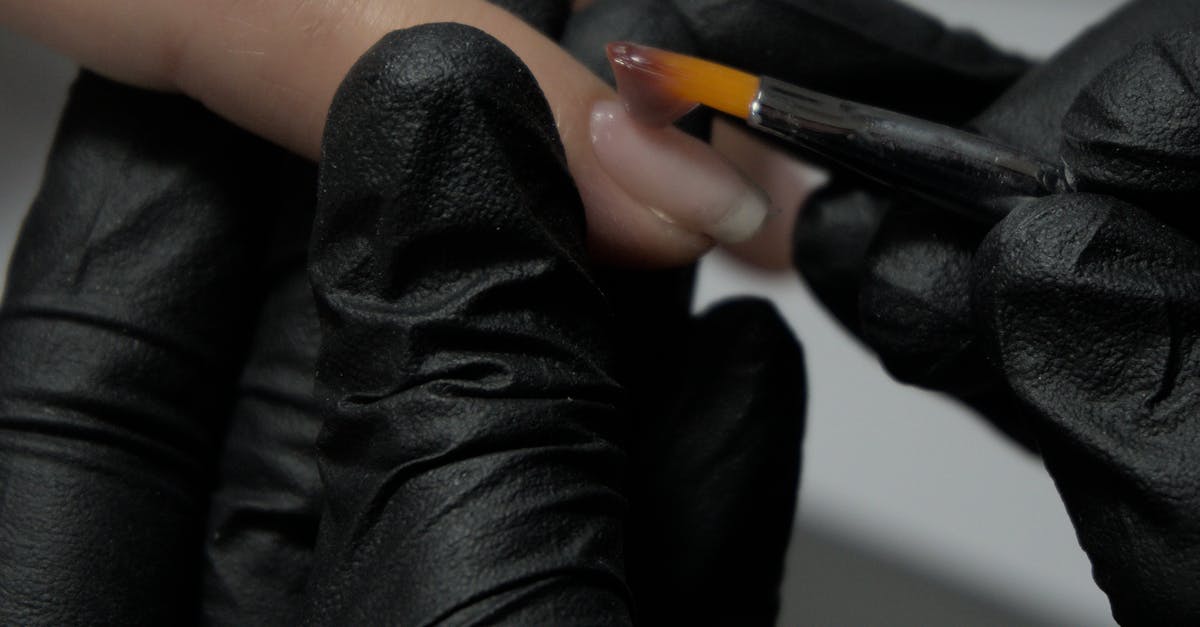
Importance of Hygiene Practices in Nail Salons
Table Of Contents
Client Safety and Wellbeing
Ensuring a clean and safe environment is paramount in nail salons. Clients often seek these services for relaxation and rejuvenation, and they expect that their health will not be compromised in the process. Implementing rigorous hygiene practices, such as sanitising tools and surfaces, can significantly reduce the risk of infections and other health issues. Regular cleaning protocols and proper disposal of waste materials enhance the overall safety standards within the salon.
Maintaining a high level of hygiene not only protects clients but also fosters a sense of trust and comfort. When clients observe staff adhering to cleanliness protocols, it reassures them that their wellbeing is a priority. This perception is crucial in building long-term relationships with customers. A salon that prioritises hygiene demonstrates a commitment to client safety, which can lead to repeat business and positive word-of-mouth referrals.
How Hygiene Practices Build Client Trust
Clients are increasingly aware of the importance of cleanliness in their chosen nail salons. When a salon maintains high hygiene standards, it communicates a commitment to the wellbeing of its clients. Visible sanitation practices, such as using new tools for each client and regularly disinfecting surfaces, create an immediate sense of safety. This transparency fosters confidence, encouraging clients to return for future services.
Building trust through hygiene is not just about meeting industry standards; it also reflects a salon's values. Clients feel valued when they see professionals taking the necessary steps to protect their health. Positive experiences in a clean environment lead to recommendations and repeat visits. Ultimately, this trust translates into long-term loyalty, which is crucial for a salon's success.
The Impact of Hygiene on Salon Reputation
Nail salons operate in a highly competitive environment where reputation can make or break a business. Clients often share their experiences online, which can lead to rapid visibility for both positive and negative reviews. A salon known for rigorous hygiene practices will often stand out, attracting a loyal clientele who prioritise their health and safety. On the contrary, any reports of unsanitary conditions can quickly tarnish a salon’s image, leading to diminished patronage and revenue.
Investing in cleanliness is not merely about compliance with regulations; it’s about adopting a philosophy that underscores the importance of a safe space for clients. Salons that prioritise hygiene show their commitment to excellence, which resonates with customers who seek quality services. When clients feel secure in the cleanliness of their environment, they are more likely to return and recommend the salon to others, thereby fostering a strong and positive reputation in the community.
Maintaining a Professional Image
A clean and well-maintained environment is crucial in establishing a salon's professional image. Clients are more likely to trust a salon that prioritises cleanliness, as it reflects their commitment to health and safety. The presentation of tools, workstations, and overall salon ambience should convey a sense of care and professionalism. Ensuring that services are performed in a tidy setting sends a powerful message about the importance placed on client wellbeing.
The staff’s appearance and adherence to hygiene protocols also contribute to the overall perception of the salon. Well-groomed employees, wearing appropriate uniforms, foster a sense of trust and confidence among clients. Regular maintenance of personal hygiene practices is essential for staff members, as it not only sets a standard but also enhances the salon's reputation. A professional image is vital in a competitive market, and a focus on hygiene can be a key differentiator for attracting and retaining clients.
Training Staff on Proper Hygiene
Effective training in hygiene practices is essential for all staff members in nail salons. Regular workshops can address a range of topics, including proper sanitisation methods, safe use of tools, and recognition of potential health risks. It is crucial that all employees understand the importance of hygiene not only for their safety but also for that of clients. Incorporating hands-on training sessions allows staff to demonstrate techniques and engage in practical learning, reinforcing the skills necessary for maintaining a clean and safe environment.
Access to comprehensive resources can further enhance staff knowledge and practices. Providing manuals, instructional videos, and online courses promotes ongoing education about the latest hygiene standards and regulations. Encouraging staff to participate in industry seminars can also keep them informed about emerging trends and best practices. Investing in staff training demonstrates a commitment to safety, cultivating a culture where hygiene is prioritised and consistently upheld.
Essential Training Programs and Resources
Effective training in hygiene practices is crucial for nail salon staff. Comprehensive programmes should cover hand sanitisation, tool sterilisation, and the safe handling of products. Workshops can provide hands-on experience, demonstrating correct procedures for cleaning and disinfecting work surfaces. Regularly updating training materials ensures that employees remain informed about the latest safety standards and regulations.
Utilising online resources can enhance training initiatives. Numerous platforms offer courses specifically tailored to salon hygiene, allowing staff to learn at their own pace. Incorporating assessments can help evaluate understanding and retention of essential practices. Investing in professional development not only benefits employees but also contributes to a safer environment for clients.
FAQS
Why is hygiene important in nail salons?
Hygiene is crucial in nail salons to ensure client safety and wellbeing, prevent the spread of infections, and maintain a professional image. Proper hygiene practices build trust with clients and contribute to a positive salon reputation.
How do hygiene practices affect client trust in a nail salon?
When nail salons adhere to strict hygiene practices, clients feel safe and valued, which fosters trust. This trust encourages repeat visits and positive word-of-mouth recommendations, ultimately benefiting the salon's business.
What is the impact of poor hygiene on a nail salon's reputation?
Poor hygiene can lead to negative client experiences, resulting in bad reviews and a damaged reputation. A salon known for unsanitary conditions may struggle to attract and retain clients, ultimately affecting its success.
What are some essential hygiene practices for nail salons?
Essential hygiene practices include sterilising tools and equipment, maintaining a clean working environment, ensuring staff use gloves and masks when necessary, and regularly washing hands. These measures help prevent the spread of infections.
How can nail salon staff be trained on proper hygiene practices?
Nail salon staff can be trained through essential training programs and resources that cover hygiene standards, infection control, and best practices. Continuous education and regular workshops can help staff stay updated on the latest hygiene protocols.
Related Links
Best Practices for Maintaining a Clean Nail Salon EnvironmentHygiene Protocols During Nail Treatments at Salons
Client Expectations for Hygiene in Nail Salons
Common Hygiene Mistakes to Avoid in Nail Salons
The Impact of Cleanliness on Nail Health
Evaluating Hygiene Certifications in Nail Salons
How Hygiene Affects Customer Satisfaction in Nail Salons
The Role of Sterilisation in Nail Salon Hygiene
Understanding Cleanliness Standards for Nail Salon Services