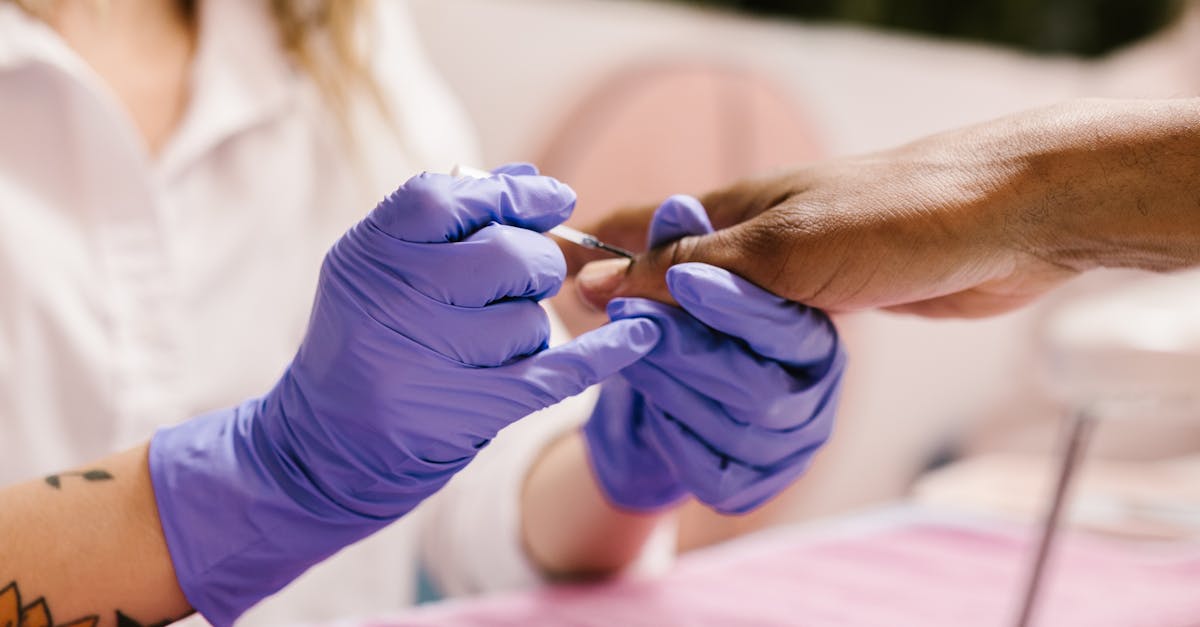
The Role of Sterilisation in Nail Salon Hygiene
Table Of Contents
Legal Standards and Regulations
In Australia, nail salons must adhere to specific legal standards that aim to ensure the health and safety of clients. These regulations often focus on proper sanitation and sterilisation practices for tools and equipment. Each state may have its own guidelines, and compliance is crucial for protecting clients from infections and diseases. Regular inspections by health authorities can occur to assess salons' adherence to these standards, thus highlighting the importance of maintaining a clean and safe environment.
Salons are required to keep detailed records of their sterilisation processes and any maintenance performed on tools. It is essential to utilise tools that are both suitable for the services offered and compliant with industry standards. By staying informed about the latest regulations and ensuring all staff members are trained accordingly, salons can foster a culture of hygiene that not only meets legal requirements but also enhances client trust in the services provided.
Compliance Requirements for Nail Salons
Nail salons in Australia must adhere to strict regulations to ensure the safety and wellbeing of their clients. These compliance requirements are outlined by health departments and include guidelines on maintaining a clean work environment, proper sterilisation of tools, and safe handling of products. Regular inspections by local authorities may be conducted to ensure that these standards are being met. Salons are also required to keep accurate records of their sterilisation practices, including the use of approved disinfectants and the duration of tool sanitisation.
Staff training is another crucial component of compliance. Employees must understand the importance of hygiene and stay updated on best practices for infection control. Training sessions should cover the correct procedures for cleaning and sterilising equipment, as well as knowledge about the potential risks associated with improper practices. Salons that invest in staff education not only meet legal requirements but also build client trust and confidence in their services.
Choosing the Right Sterilisation Methods
Selecting appropriate sterilisation methods is crucial for maintaining high hygiene standards in nail salons. The most common techniques include autoclaving, ultraviolet (UV) light sterilisation, and chemical sterilants. Autoclaving uses steam under pressure to eliminate bacteria, viruses, and fungi, making it one of the most effective methods in a professional setting. UV light sterilisation offers a non-chemical approach that can effectively reduce microbial presence on tools and surfaces. Meanwhile, chemical sterilants, such as disinfectant solutions, are also widely used for non-heat-resistant equipment.
Understanding the specific needs of the salon and its services plays a significant role in choosing the right method. Equipment that comes into direct contact with skin requires a higher level of sterilisation compared to items that are only used on nails. Salons must assess their workflow and client volume to determine the most efficient methods that fit their operational model. Continuous monitoring of sterilisation practices ensures that the salon meets safety standards and provides a safe environment for both clients and technicians.
Overview of Popular Sterilisation Techniques
Various sterilisation techniques are employed in nail salons to maintain high hygiene standards. Autoclaving is a common method, which uses steam under pressure to eliminate all forms of microbial life on tools and equipment. This approach is particularly effective for metal implements such as cuticle nippers and scissors, ensuring that they are free from harmful pathogens. Another widely used technique is UV sterilisation, which utilises ultraviolet light to disinfect surfaces and tools. Although UV sterilisation is not as comprehensive as autoclaving, it offers a quick and chemical-free option for sanitising non-metal implements.
Chemical sterilisation is also popular among nail salons, often employing solutions containing substances like glutaraldehyde or hydrogen peroxide. These chemicals effectively kill bacteria, viruses, and fungi on tools that cannot withstand heat. While effective, it is essential for salons to follow manufacturer instructions carefully to ensure proper contact time and concentration for maximum efficacy. Additionally, some salons may implement disposable tools as part of their sterilisation strategy, reducing the risk of cross-contamination. This combination of methods helps create a safer environment for both clients and nail technicians.
Educating Clients on Salon Hygiene
Educating clients about salon hygiene is crucial for maintaining trust and ensuring their safety. Clear communication about the sterilisation practices used in the salon promotes a sense of security. Providing information through brochures or signage can reinforce the salon's commitment to cleanliness and safety. Staff should be trained to explain these practices during consultations, addressing any questions or concerns clients may have regarding hygiene.
Engaging clients in conversations about hygiene practices creates a more informed clientele. Sharing the rationale behind specific sterilisation methods can help clients understand their importance. Offering demonstrations of equipment and techniques fosters transparency and confidence. Personalising interactions by discussing individual client needs in relation to salon hygiene can also enhance the overall customer experience, making them feel valued and cared for.
How to Communicate Hygiene Practices Effectively
Transparency is key when discussing hygiene practices with clients. Providing clear information about the sterilisation methods used in the salon fosters trust. Displaying certifications or compliance ratings openly can reassure clients about your commitment to maintaining high standards. Describing the steps taken to ensure cleanliness, such as disposable tools or UV sterilisation, can further enhance their confidence in your services.
Engaging clients in conversation about hygiene practices can be beneficial. Encouraging questions gives clients the opportunity to voice any concerns they may have. This interaction not only strengthens the client-salon relationship but also serves to educate them on the importance of these practices. Regularly updating clients about any new procedures or products used ensures they remain informed and feel valued as customers.
FAQS
What are the legal standards for sterilisation in nail salons in Australia?
In Australia, nail salons must comply with the Health Act and regulations set by local health authorities, which require proper sterilisation of tools to prevent the spread of infections.
How often should nail salon tools be sterilised?
Nail salon tools should be sterilised after each use on a client. This includes soaking tools in a disinfectant solution or using an autoclave for thorough sterilisation.
What are the most popular sterilisation methods used in nail salons?
Common sterilisation methods include autoclaving, chemical disinfection using hospital-grade disinfectants, and UV sterilisation units. Each method has its advantages and is used based on the salon's needs.
How can nail salons effectively communicate their hygiene practices to clients?
Nail salons can communicate hygiene practices by displaying information in the salon, training staff to explain procedures to clients, and using social media or websites to share their commitment to hygiene.
Why is client education on salon hygiene important?
Educating clients about salon hygiene helps build trust, ensures their safety, and promotes a positive reputation for the salon, ultimately leading to customer loyalty and satisfaction.
Related Links
How Hygiene Affects Customer Satisfaction in Nail SalonsUnderstanding Cleanliness Standards for Nail Salon Services
Hygiene Protocols During Nail Treatments at Salons
Client Expectations for Hygiene in Nail Salons
Common Hygiene Mistakes to Avoid in Nail Salons