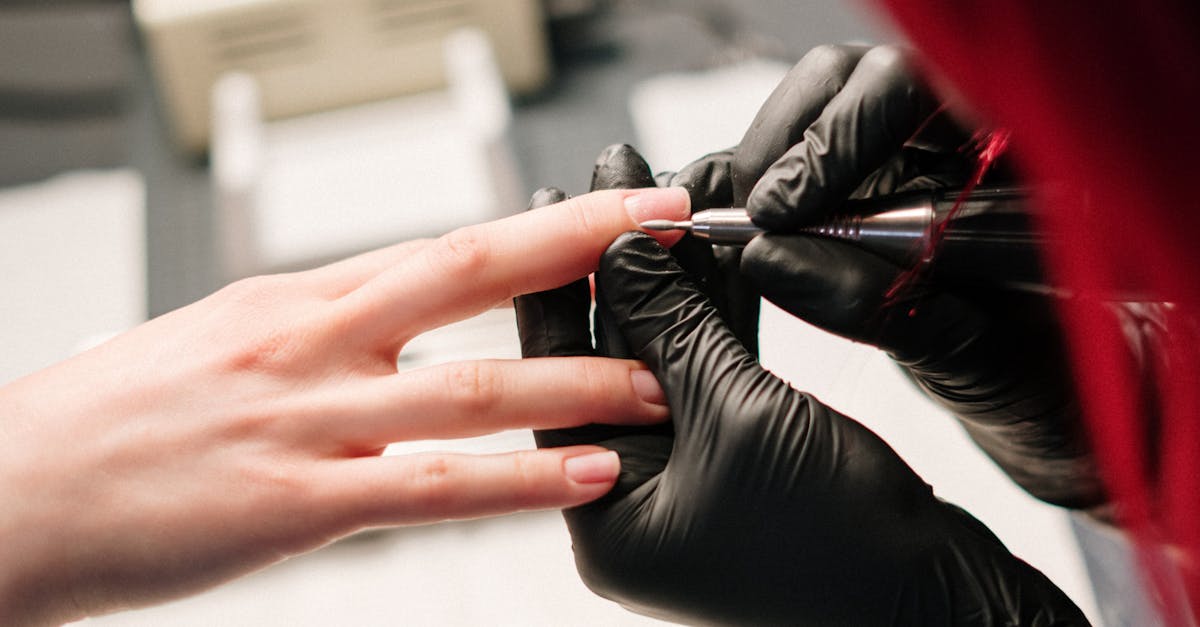
Hygiene Protocols During Nail Treatments at Salons
Table Of Contents
Safe Disposal of Waste Materials
Maintaining a clean and safe environment in nail salons requires meticulous handling of waste materials. All items, such as used files, buffers, and any disposable tools, must be disposed of properly to minimize the risk of infection or contamination. These items should be placed in designated waste containers that are clearly labelled, ensuring that salon staff can quickly identify the correct disposal methods. Regular checks of these waste containers are essential to prevent overflow, further promoting hygiene standards within the salon.
Furthermore, special care should be taken with hazardous materials, which may include chemical products or biological waste. Specific guidelines and regulations dictate how these substances should be handled and disposed of to comply with local health and safety laws. Training staff on these protocols ensures everyone is aware of their responsibilities and the importance of proper waste segregation. By implementing an effective waste disposal strategy, nail salons can uphold a high standard of hygiene and safety for both clients and technicians alike.
Importance of Proper Waste Management
Effective waste management in nail salons is crucial for maintaining a safe and sanitary environment. Proper disposal of materials such as used files, gloves, and swabs prevents cross-contamination and minimises the risk of infections. By adhering to local regulations and guidelines, salons can ensure that hazardous waste is handled appropriately. This not only protects clients but also safeguards staff and the wider community from potential health risks associated with improper disposal.
Additionally, implementing a systematic approach to waste management promotes a professional image for the salon. Clients are increasingly aware of hygiene practices and may feel more comfortable in a salon that prioritises cleanliness and responsible waste handling. By training staff in proper disposal methods and regularly reviewing waste management protocols, salons can enhance their reputation and build client trust. A commitment to effective waste management demonstrates a comprehensive approach to hygiene and safety in nail treatments.
Client Health Assessments
Before proceeding with any nail treatment, professionals must gather relevant health information from clients. This process often involves asking specific questions about skin sensitivities, allergies to products, or any underlying health conditions that could affect the treatment. Understanding these factors ensures that the services provided are tailored to individual needs and minimise the risk of adverse reactions.
Conducting thorough health assessments also fosters a sense of trust between the technician and the client. By demonstrating concern for the client's well-being, salons not only ensure safety but also enhance the overall experience. Proper communication about health assessments encourages clients to disclose important information, ultimately leading to better outcomes and satisfaction with the service received.
Necessary Questions Before Treatments
Before beginning any nail treatment, it is essential for technicians to conduct a thorough client consultation. This process involves asking pertinent questions to identify any allergies, skin conditions, or previous nail treatments that could affect the current service. Understanding a client’s medical history can help mitigate risks and ensure a safe experience. Questions regarding lifestyle and personal preferences can also guide technicians in providing tailored services.
Clients should be encouraged to share any concerns they may have regarding nail products or techniques. Discussing these topics openly can enhance trust between the technician and the client. Additionally, asking about the client's experience with past treatments can help gauge their comfort level and expectations. This exchange of information is crucial in ensuring that nail treatments are both effective and safe for every individual.
Training and Certification for Nail Technicians
Nail technicians must undergo rigorous training and certification to ensure they are equipped with the necessary skills to provide safe and effective services. This training often encompasses a variety of topics, including anatomy of the nail, various nail treatments, and sanitation practices. Many vocational institutions offer recognised courses that not only cover practical skills but also theoretical knowledge regarding the use of products and potential allergens.
Ongoing education is crucial in this field due to the continuous evolution of techniques and products. Professionals frequently benefit from workshops, seminars, and additional certifications that keep them informed about the latest trends, tools, and health regulations. Familiarity with emerging technologies and methodologies enhances the quality of service provided while also promoting a culture of safety and hygiene in the salon environment.
Importance of Continuous Education
The beauty and wellness industry is ever-evolving, with new techniques, products, and hygiene standards emerging regularly. Continuous education allows nail technicians to stay updated on the latest trends and best practices in their field. With ongoing training, professionals can enhance their skills, ensuring they deliver high-quality services while adhering to contemporary safety protocols.
Additionally, the importance of staying informed about advancements in product formulations and application methods cannot be understated. Educated technicians are better equipped to identify potential allergies or reactions in clients. This knowledge not only fosters a safer environment but also builds trust between the technician and the client, enhancing the overall salon experience.
FAQS
What are the key hygiene protocols that nail salons should follow?
Nail salons should adhere to strict hygiene protocols including proper sterilisation of tools, safe disposal of waste materials, regular hand washing, and maintaining a clean environment to prevent the spread of infections.
Why is waste management important in nail salons?
Proper waste management is crucial in nail salons to minimise health risks and environmental impact. It ensures that hazardous materials are disposed of correctly and helps maintain a safe and sanitary workspace for both clients and technicians.
What kind of health assessments should clients expect before nail treatments?
Clients should expect a brief health assessment that includes questions about any allergies, skin conditions, or medical history that may affect the nail treatment. This helps ensure the safety and suitability of the services provided.
How often should nail technicians undergo training and certification?
Nail technicians should engage in continuous education and training regularly, ideally every year, to stay updated on the latest hygiene practices, techniques, and industry standards, ensuring they provide safe and effective treatments.
What questions should clients ask nail technicians regarding hygiene practices?
Clients should feel comfortable asking technicians about their sterilisation processes, how they manage waste disposal, their training and certification, and specific hygiene measures they take to protect client health during treatments.
Related Links
Client Expectations for Hygiene in Nail SalonsImportance of Hygiene Practices in Nail Salons
Common Hygiene Mistakes to Avoid in Nail Salons
The Impact of Cleanliness on Nail Health
Evaluating Hygiene Certifications in Nail Salons
How Hygiene Affects Customer Satisfaction in Nail Salons
The Role of Sterilisation in Nail Salon Hygiene
Understanding Cleanliness Standards for Nail Salon Services