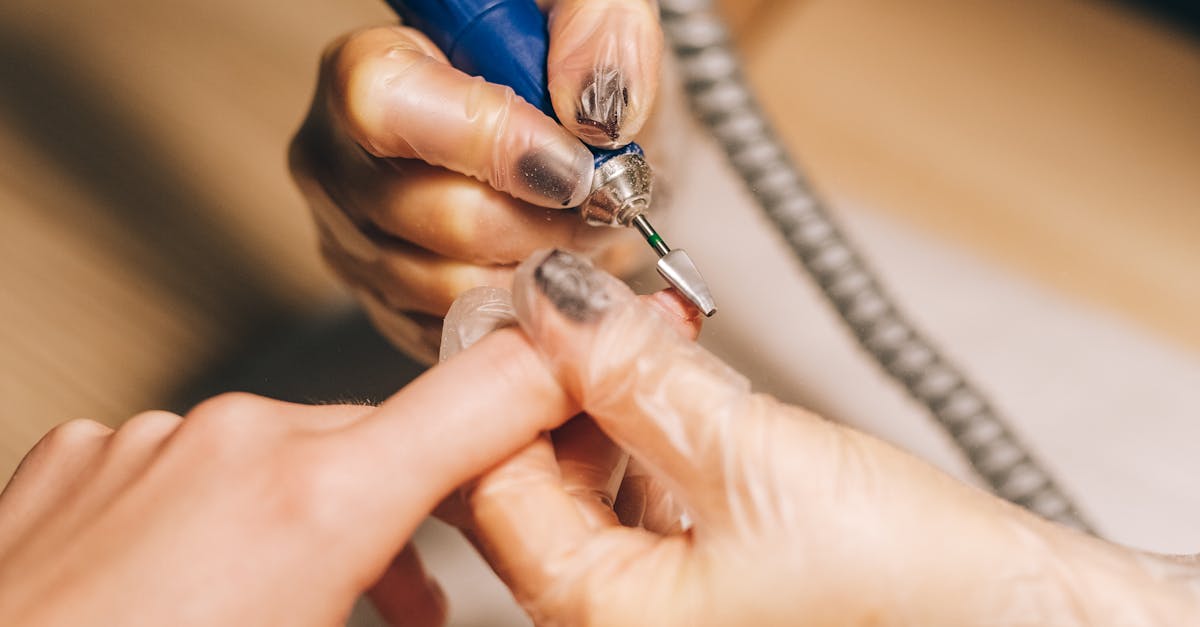
Comparing Electric Nail Drills vs Manual Tools
Table Of Contents
Maintenance Requirements for Electric Nail Drills
Regular maintenance is vital for ensuring the longevity and performance of electric nail drills. This includes routine inspection of the drill bits for signs of wear or damage. Users should replace any worn-out bits promptly to maintain effective performance. Cleaning the drill body and ensuring that vents remain clear will prevent overheating during use. Periodic checks of the power cord are essential to ensure electrical safety and functionality.
It is also important to maintain the battery, if applicable, by following the manufacturer’s recommendations for charging cycles. Storing the drill in a dry and dust-free environment will protect it from unnecessary wear. Following guidelines for usage can prevent the accumulation of dust and debris, ensuring smooth operation. Keeping the tool in a protective case further minimises the risk of accidental damage.
Cleaning and Proper Storage Practices
Regular cleaning of electric nail drills is essential to maintain their functionality and to ensure a hygienic workspace. Using a soft brush, technicians can effectively remove debris and dust from the drill bits after each use. It is recommended to sanitise the bits and any detachable parts with an appropriate disinfectant to eliminate bacteria. Care should be taken to avoid excess moisture getting into the motor or electrical components during the cleaning process.
Proper storage practices contribute significantly to the longevity of electric nail drills. After cleaning, tools should be stored in a dry place, ideally in a designated case or drawer that protects them from damage. Keeping drills away from direct sunlight and extreme temperature fluctuations can prevent deterioration of the casing and electrical components. Additionally, ensuring that cords are neatly coiled can help avoid fraying and prolong the lifespan of the tool.
Care and Maintenance for Manual Tools
Manual nail tools require specific care to ensure their longevity and effectiveness. Regular cleaning is essential to prevent the buildup of debris and bacteria. After each use, tools should be wiped down with disinfectant wipes or soaked in a disinfectant solution. This practice not only maintains hygiene but also extends the life of the instruments. Sharp tools, such as cuticle nippers and scissors, should be sharpened when necessary to maintain precision and avoid damage to nails.
Proper storage is crucial for maintaining the condition of manual tools. Storing them in a dry, secure place prevents rust and damage from external factors. A designated case or pouch can keep tools organised and protected from accidental impacts. Users should also inspect tools regularly for signs of wear and replace them as needed. Taking these steps ensures that manual nail tools remain effective and safe for use, providing the best results during manicures and pedicures.
Ensuring Longevity through Proper Use
Manual tools require thoughtful handling to ensure they remain effective over time. Regularly inspecting cutting edges or surfaces for wear can help identify when sharpening or replacement is needed. Keeping tools clean after each use lowers the risk of rust and corrosion. Storing instruments in a dry location reduces moisture exposure that can damage materials.
Using manual tools correctly is essential for their longevity. Maintaining the right grip and applying appropriate pressure can prevent unnecessary strain or breakage. Avoiding excessive force not only protects the tools but also enhances the overall experience when performing manicures. A consistent maintenance routine will ensure that these tools remain reliable and functional for years to come.
Safety Considerations for Electric Nail Drills
Electric nail drills offer impressive efficiency but come with safety risks that must be acknowledged. Wearing protective eyewear is essential to shield the eyes from dust and debris created during use. Additionally, ensuring that the drill is equipped with a safety switch can prevent accidental activation. Regularly inspecting the device for any signs of wear or malfunction is crucial to maintaining a safe working environment.
Operator technique plays a significant role in safety. Maintaining a steady hand and not applying excessive pressure reduces the risk of injury to the nail and surrounding skin. Using the correct speed setting for the task at hand can also minimise the likelihood of damage. Awareness of the drill's specifications ensures users can operate the tool effectively and safely, leading to a better manicure experience.
Protecting Skin and Nails
Electric nail drills offer efficiency and precision, but they can pose risks if not used correctly. The high-speed rotation can generate heat, potentially causing burns or damage to the surrounding skin and nails. Users should maintain a safe distance from the skin while working on nails. Keeping the drill at the appropriate speed is crucial. It prevents excessive friction and reduces the likelihood of accidents.
Protective measures are essential when using these tools. Wearing finger guards or using appropriate hand positioning can help shield skin from the drill's direction. Additionally, regular breaks during the usage allow the user to monitor their technique and adjust their approach as needed. By incorporating these practices, the likelihood of injury can be significantly reduced while still achieving great results.
FAQS
What are the main advantages of using electric nail drills over manual tools?
Electric nail drills offer speed and efficiency, allowing for quicker work on nails. They can handle a variety of tasks, such as shaping, smoothing, and buffing, with adjustable speeds that cater to different needs.
How often should I clean my electric nail drill?
It's recommended to clean your electric nail drill after every use to maintain hygiene and performance. Regular maintenance helps prevent the build-up of dust and debris, ensuring the tool operates efficiently.
What are some proper storage practices for manual nail tools?
Manual nail tools should be stored in a cool, dry place, preferably in a dedicated case or holder to prevent damage. It's important to keep them away from moisture and direct sunlight to maintain their integrity and longevity.
Are electric nail drills safe for home use?
Yes, electric nail drills can be safe for home use when operated correctly. Always follow the manufacturer's instructions, use protective gear, and start with lower speeds until you become more comfortable with the tool.
How can I ensure the longevity of my manual nail tools?
To ensure longevity, always use manual tools for their intended purpose, avoid dropping them, clean them after each use, and periodically check for any signs of wear or damage, replacing them as necessary.
Related Links
A Comprehensive Guide to Nail Buffers and Their UsesEssential Nail Tools Every Home Manicurist Should Own
Expert Tips for Maintaining Your Nail Tools
Must-Have Nail Accessories for Salon Success
Understanding Different Types of Nail Brushes
The Importance of Using Quality Nail Clippers
How to Choose the Right Cuticle Nippers for Your Needs
The Best Nail Files for a Smooth Finish
Innovative Nail Care Accessories for Professionals