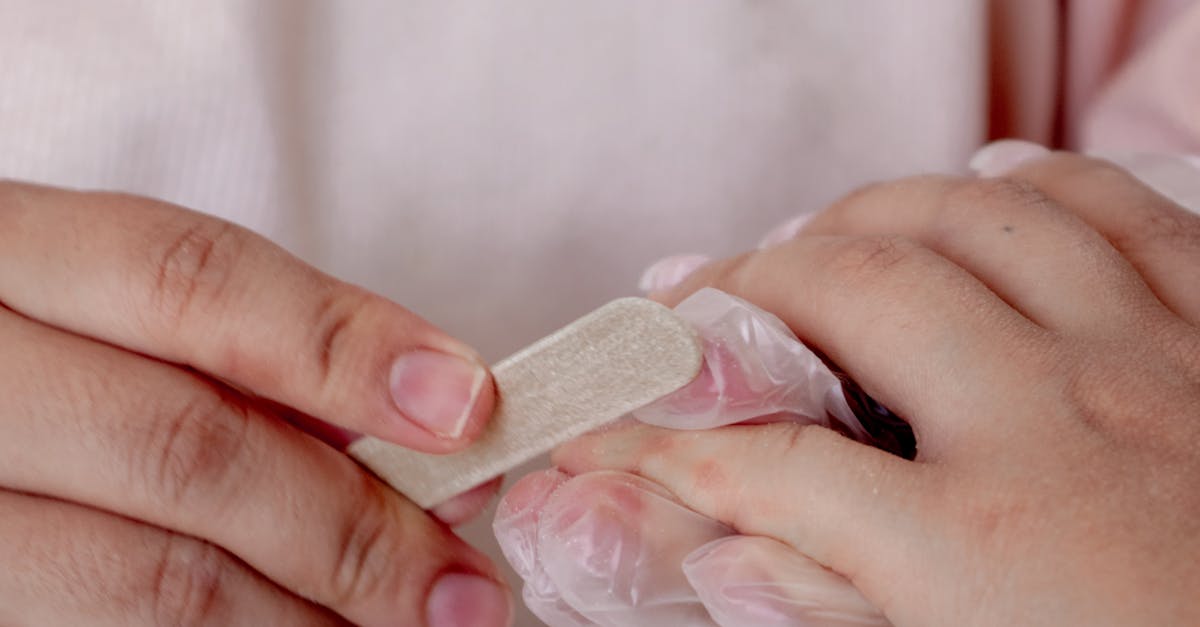
A Comprehensive Guide to Nail Buffers and Their Uses
Table Of Contents
The Benefits of Regular Nail Buffing
Regular nail buffing offers notable improvements in the appearance and health of nails. By buffing away rough edges and removing the top layer of dullness, nails gain a natural shine that enhances their overall aesthetic appeal. This glossy finish not only looks polished but can also boost confidence. Many find well-maintained nails to be an essential part of their grooming routine.
In addition to aesthetic benefits, buffing can strengthen the nails by promoting blood circulation in the nail bed. Enhanced circulation encourages nail growth while ensuring that they are less prone to breakage. Regularly buffing can create a smoother surface, making it easier for nail products to adhere effectively. This practice contributes to a more resilient and healthier nail structure, delivering ongoing benefits with each session.
Enhancing Aesthetics and Strength
A well-buffed nail surface can significantly improve the appearance of hands. The process smooths out ridges and imperfections, resulting in a polished and glossy finish. This not only enhances the aesthetic appeal but also offers a sense of cleanliness and care that many find appealing in grooming routines. Many people appreciate how healthy-looking nails can elevate their overall look, making nail buffing a popular choice for both everyday maintenance and special occasions.
Nail buffing can also contribute to the strength of the nails. By gently removing layers of damaged or weak nails, users can encourage new growth that is often healthier and less prone to breakage. Regular buffing promotes blood circulation in the nail bed, which supports overall nail health. Stronger nails are less likely to split or chip, leading to improved longevity of manicures and less frequent touch-ups. This dual benefit of aesthetics and strength makes buffing a valuable addition to any nail care regimen.
Nail Buffing Techniques
Effective nail buffing techniques vary depending on the individual's nail type and condition. For natural nails, using a fine-grit buffer can enhance shine and smoothness without causing damage. It is essential to apply gentle pressure and use a back-and-forth motion to avoid over-buffing, which can lead to thinning of the nail. Incorporating a soft touch is crucial for nails that may be brittle or flaky, as this helps maintain their integrity while still providing the desired aesthetic.
For those with artificial nails, such as acrylic or gel, different methods apply. A medium-grit buffer works better for these materials, allowing for the removal of any minor imperfections and unevenness. Care must be taken to avoid excessive abrasion; thus, it is advisable to focus only on the areas that require attention. Regularly cleaning the buffer after each use will ensure that no debris or product buildup affects the outcome of future buffing sessions.
Effective Methods for Different Nail Types
For those with natural nails, a gentle approach is often best. Start by using a soft buffer designed for delicate surfaces. Focus on one section of the nail at a time, working in smooth strokes to prevent over-buffing. This method enhances shine without compromising the nail’s integrity, maintaining its natural strength and flexibility. Regular buffing can also help to smooth out minor imperfections, leading to a polished and well-groomed appearance.
Artificial nails require a different technique. A slightly firmer buffer can be used to help blend the artificial material with the natural nail. This method is essential for ensuring a seamless look, especially at the cuticle area. Buffing should be performed cautiously to avoid damaging the overlay. Periodically checking the layer of the artificial nail for wear can also guide how often and aggressively to buff, ensuring the nails remain healthy while looking their best.
How Often Should You Use a Nail Buffer?
Using a nail buffer too frequently can lead to thinning of the nail, making them more susceptible to breakage and damage. For most people, buffing once every two to four weeks is usually sufficient to maintain healthy nails without overdoing it. This interval allows time for the nails to recover from the buffing process while still enjoying the benefits of a smoother, shinier surface.
Those with weaker or damaged nails should consider spacing their buffing sessions further apart to avoid exacerbating any existing issues. Observing how your nails respond to the buffing process will help you determine the ideal frequency for your specific situation. It’s essential to listen to your nails and adjust your routine accordingly to maintain optimal nail health.
Recommended Buffing Frequency
Frequency of nail buffing largely depends on individual nail health and personal grooming preferences. For those with healthy, resilient nails, buffing once every one to two weeks can help maintain a smooth surface and enhance shine. Individuals with weaker nails should adopt a more cautious approach, perhaps limiting buffing to once every three to four weeks.
Monitoring how your nails respond to buffing is essential. If you notice signs of thinning or increased brittleness, it may be beneficial to reduce the frequency. Keeping the balance between achieving a glossy finish and ensuring the overall health of nails is crucial for long-lasting results.
FAQS
What is a nail buffer?
A nail buffer is a beauty tool used to smooth and shine the surface of your nails, helping to enhance their appearance and strength.
How does regular nail buffing benefit my nails?
Regular nail buffing can improve the aesthetics of your nails by making them shinier and healthier-looking, while also strengthening them and preventing breakage.
Are there different techniques for buffing nails?
Yes, there are various buffing techniques suited for different nail types. It’s important to choose the right method to achieve the best results for your specific nail condition.
How often should I buff my nails?
The recommended frequency for buffing nails varies depending on individual nail health, but generally, it’s advisable to buff every 2 to 4 weeks to maintain optimal nail condition without causing damage.
Can nail buffing cause damage to my nails?
If done excessively or with the wrong technique, nail buffing can damage the nail surface. It's essential to use a gentle approach and to follow recommended guidelines for your nail type.
Related Links
Comparing Electric Nail Drills vs Manual ToolsExpert Tips for Maintaining Your Nail Tools
Must-Have Nail Accessories for Salon Success
Understanding Different Types of Nail Brushes
The Importance of Using Quality Nail Clippers
How to Choose the Right Cuticle Nippers for Your Needs
The Best Nail Files for a Smooth Finish
Innovative Nail Care Accessories for Professionals
Essential Nail Tools Every Home Manicurist Should Own