Professional vs At-home Cuticle Care Solutions
Table Of Contents
Techniques for Effective Cuticle Care
Maintaining healthy cuticles requires a careful approach. Regular moisturisation keeps them hydrated and prevents dryness. Applying cuticle oil daily can help improve the overall texture and resilience of the skin surrounding the nails. Gentle pushing back of the cuticles using a soft tool can also aid in promoting a neat and tidy appearance. Care should be taken to avoid aggressive techniques that could damage the cuticle or skin.
Implementing a proper nail care routine enhances cuticle health significantly. Soaking hands in warm water softens the skin, making it easier to manage cuticles without unnecessary strain. Exfoliating the area around the nails helps remove dead skin cells, promoting healthier growth. Using specially formulated creams or balms designed for cuticle care can provide additional nourishment, leading to less breakage and irritation.
Best Practices for At-home Maintenance
To maintain healthy cuticles at home, regular moisture is essential. Applying a high-quality cuticle oil or cream daily can nourish the skin and prevent dryness. Choosing products enriched with natural oils, such as jojoba or almond, can enhance hydration. A gentle massage with the oil encourages blood circulation and promotes healthy nail growth. It is also important to keep hands clean and well-groomed, which contributes to overall nail health.
Another vital practice is to avoid harsh chemicals that can damage the cuticle area. Opting for gentle, acetone-free nail polish removers reduces the risk of irritation. When trimming cuticles, using properly sterilised tools is critical to avoid infections. Always sit in a comfortable position to prevent accidental cuts. Consistent practice of these habits creates a healthy regimen that shields cuticles from damage while encouraging lovely nails.
Potential Risks and Mistakes
Improper cuticle care can lead to a range of complications. Overzealous trimming can result in painful hangnails or even serious infections. Neglecting to use proper tools increases the risk of injury, while using unsterilised equipment can introduce bacteria into the delicate skin surrounding the nails. Additionally, harsh chemicals found in some nail products may cause irritation or allergic reactions.
Another common mistake involves ignoring the importance of hydration. Failing to moisturise the cuticles can lead to dryness and brittleness. This can make the skin more susceptible to cracking, which may be both uncomfortable and unsightly. Many individuals underestimate the significance of regular upkeep, leading to neglect that exacerbates existing issues.
Common Errors in At-home Care
Many individuals underestimate the importance of proper sanitation when tending to their cuticles at home. Using non-sterilised tools can introduce bacteria, leading to infections. Neglecting to clean clippers, pushers, and scissors properly poses significant risks. Additionally, skipping handwashing before performing cuticle care further increases the chance of transferring germs, potentially resulting in painful conditions.
Another prevalent mistake is over-manicuring the cuticles, which may cause damage rather than promote healthy growth. Pushing back or trimming cuticles too aggressively can lead to irritation and even permanent changes to the nail bed. Some people may also overlook the significance of moisturising after cuticle care. Dry skin around the nails can exacerbate issues and compromise the overall health of the area.
Professional Treatments and Techniques
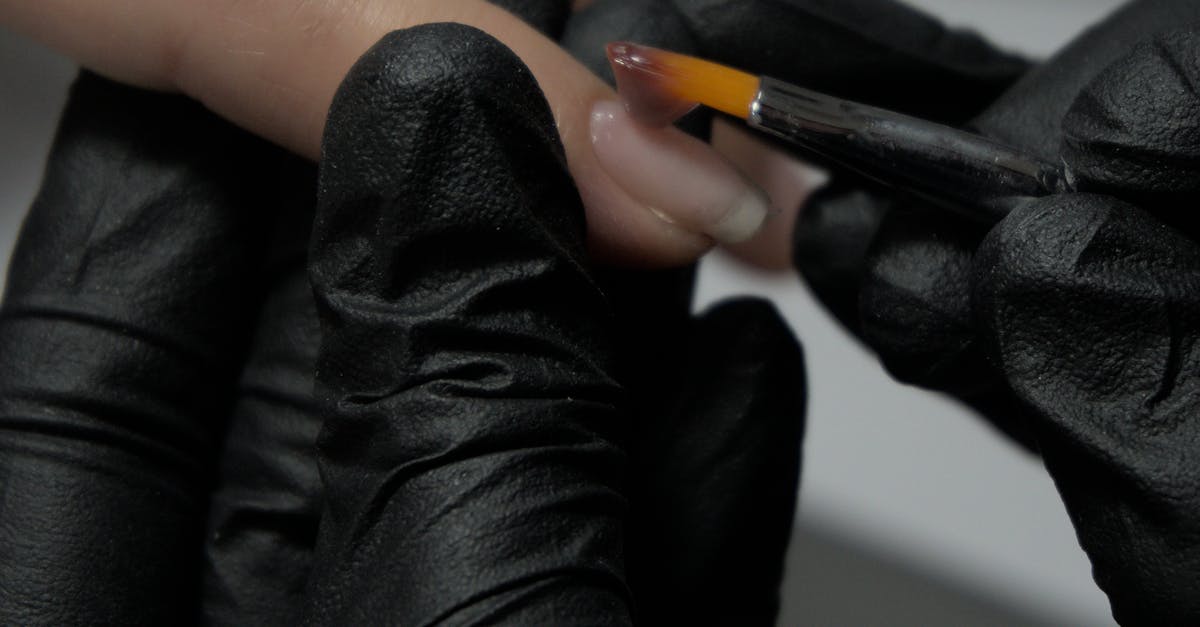
Visiting a qualified nail technician offers a range of professional treatments designed to maintain and enhance the health of cuticles. Techniques such as cuticle trimming, nail grooming, and hydrating treatments utilise specialised tools that ensure precision and minimise the risk of injury. Nail technicians are trained to identify any underlying issues that may affect cuticle health, allowing them to offer tailored solutions that at-home care might miss. Regular visits can promote stronger nails and healthier cuticles, creating a noticeable difference in appearance.
In addition to standard maintenance, professional treatments often include the application of cuticle oils and creams that penetrate deeply to nourish and protect. Options like paraffin wax treatments can further hydrate and soften the cuticles, providing a luxurious experience. Advanced techniques such as gentle exfoliation may also be part of the service, helping to remove dead skin cells and improve texture. Overall, professional treatments not only enhance cuticle health but also elevate the overall nail care experience through expert knowledge and quality products.
Treatments Offered by Nail Technicians
Nail technicians provide a range of treatments specifically designed to promote healthy cuticles and overall nail care. Common options include cuticle pushing and clipping, where technicians skilfully remove excess skin for a neat look. They may also offer nourishing treatments like paraffin wax baths that hydrate and soften cuticles, as well as massage techniques that improve circulation around the nail beds.
Many professionals utilise specialised products that are not readily available for at-home use. These may include advanced cuticle oils packed with vitamins and nutrients. Some salons provide customised services tailored to individual needs, ensuring clients receive the most effective care. Regular visits to a nail technician can help maintain cuticle health, while also preventing common issues such as hangnails and dryness.
FAQS
What are the main differences between professional and at-home cuticle care?
Professional cuticle care typically involves advanced techniques and products used by trained nail technicians, ensuring thorough and safe treatment. At-home care relies on self-applied methods and products, which can vary in effectiveness and safety depending on individual skill and knowledge.
How often should I care for my cuticles at home?
It's generally recommended to care for your cuticles at home at least once a week. This includes moisturising and gently pushing back the cuticles to maintain healthy nail growth.
What are the risks of improper at-home cuticle care?
Common risks include nail infections, damage to the nail bed, and excessive cuticle removal, which can lead to painful hangnails and inflammation. Using unsanitised tools can also increase the risk of infection.
What professional treatments are available for cuticle care?
Professional treatments may include cuticle trimming, exfoliation, hydration treatments, and specialised nail oils or creams. These services are designed to provide thorough care and address specific issues effectively.
Can I switch between professional and at-home cuticle care?
Yes, it is perfectly fine to alternate between professional treatments and at-home care. Just ensure that you follow best practices at home to maintain the health of your cuticles between professional visits.
Related Links
Understanding the Ingredients in Cuticle ProductsEssential Cuticle Oils for Healthy Nails
DIY Cuticle Care: Recipes for Home Remedies
The Importance of Cuticle Maintenance in Nail Care
Best Practices for Cuticle Care at Home